
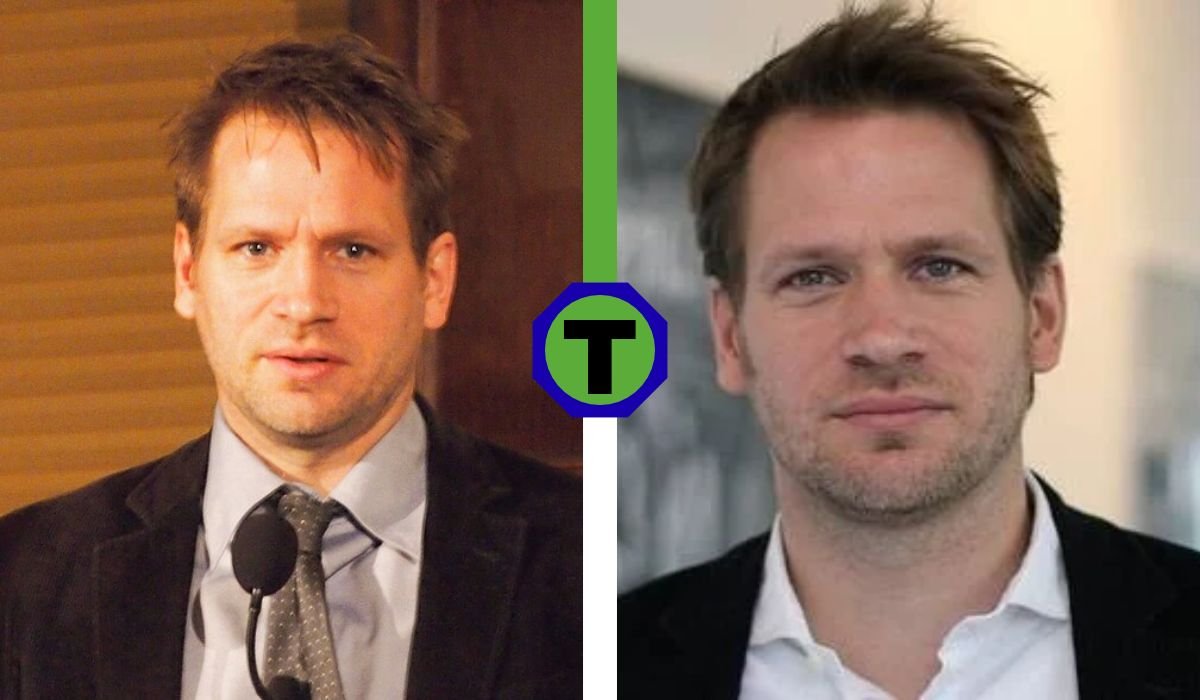
John Freeman is an American author, poet, literary critic, and editor who has made a remarkable contribution to contemporary literature. Known for his thoughtful writing, influential editorial work, and commitment to discovering talented authors, Freeman has built a career connecting meaningful stories with readers around the world.
From leading the respected literary magazine Granta to editing major anthologies and joining the publishing house Knopf, his professional journey reflects a deep appreciation for books and storytelling. His writing explores subjects ranging from modern communication and literary creativity to inequality, climate change, and human relationships.
What makes John Freeman particularly interesting is his ability to work across several literary fields. He doesn’t simply write books; he also helps other writers develop their voices and introduces readers to fresh perspectives. His career offers a fascinating look at how literature continues to shape conversations about society, culture, and everyday life.
Who Is John Freeman?
John Freeman is an American writer, editor, poet, and literary critic born in Cleveland, Ohio, in 1974. He is widely recognized for his leadership at Granta, his involvement with the National Book Critics Circle, and his work editing influential literary collections.
Throughout his career, Freeman has contributed to major publications, including The New York Times Book Review, The Guardian, Los Angeles Times, and The Wall Street Journal. His writing combines literary knowledge with accessible observations about books and contemporary culture.
He also created Freeman’s, an anthology series featuring fiction, nonfiction, and poetry from established and emerging writers. In 2021, he joined Alfred A. Knopf as an executive editor, expanding his influence within American publishing.
John Freeman Quick Bio Information
Full Name
John Freeman
Birth Year
1974
Birthplace
Cleveland, Ohio, USA
Nationality
American
Age in 2026
51–52 years
Profession
Author, Poet, Editor
Other Work
Literary Critic
Education
Swarthmore College
Graduation
1996
Former Position
Editor of Granta
Granta Tenure
2009–2013
Literary Organization
National Book Critics Circle
Publishing House
Alfred A. Knopf
Knopf Appointment
2021
First Book
The Tyranny of E-mail
First Book Published
2009
Poetry Collections
Maps and The Park
Anthology Series
Freeman’s
Notable Anthology
The Penguin Book of the Modern American Short Story
Literary Interests
Fiction, Poetry, Criticism
John Freeman’s Early Life and Family Background
John Freeman was born in Cleveland, Ohio, and spent his childhood in several parts of the United States, including New York, Pennsylvania, and California. Growing up across different regions exposed him to varied communities and cultural environments.
Although Freeman has written extensively about literature and society, relatively little verified information is publicly available about his parents, siblings, or private family relationships. His professional achievements are much better documented than his personal life.
His connection to California later became particularly visible through his literary activities, including his involvement with the California Book Club. His experiences across American regions also provide useful context for understanding his interest in place, identity, and social differences.
John Freeman’s Education and Academic Journey
Freeman attended Swarthmore College, a respected liberal arts institution in Pennsylvania, graduating in 1996. His educational background preceded a career built around critical reading, thoughtful communication, and literary analysis.
Although detailed accounts of his college experiences are limited, his later professional work demonstrates a strong engagement with literature and cultural discussion.
His career also illustrates how literary education can lead to opportunities beyond writing novels. Reviewing books, interviewing authors, editing manuscripts, and organizing literary publications all require the ability to understand language and communicate ideas clearly.
How John Freeman Started His Writing Career
John Freeman established his reputation through literary journalism and criticism. His work appeared in numerous English-language publications, allowing him to discuss books with audiences across different countries.
Writing for newspapers and literary magazines gave him opportunities to examine the work of contemporary authors while exploring broader questions about culture and society.
Freeman became particularly interested in the relationship between writers and their creative processes. Rather than treating literature only as an academic subject, his interviews and criticism helped readers understand the people, experiences, and ideas behind books.
This approach became an important feature of his later career, especially in his author interviews and editorial projects.
John Freeman’s Career at Granta Magazine
One of the most important chapters in John Freeman’s professional life began when he joined the British literary magazine Granta in December 2008. He became acting editor in May 2009 and was appointed editor later that year.
During his leadership, the magazine published established international writers alongside emerging literary voices. Contributors included Salman Rushdie, George Saunders, Chimamanda Ngozi Adichie, Yiyun Li, and several other respected authors.
Freeman’s editorial work emphasized literary diversity and storytelling across geographical boundaries. His time at Granta also helped introduce readers to newer writers, including Phil Klay and Claire Vaye Watkins.
He departed the magazine in 2013. His tenure remains a significant part of his literary biography because it demonstrated his ability to connect writers from different backgrounds with an international readership.
John Freeman’s Books and Published Works
John Freeman’s books reflect his wide-ranging interests in communication, creativity, and literature. His first book, The Tyranny of E-mail: The Four-Thousand-Year Journey to Your Inbox, appeared in 2009.
The book examines how communication developed over thousands of years and how email transformed modern expectations about availability, speed, and productivity. Its subject remains relevant in an era dominated by digital notifications and constant connectivity.
His next major nonfiction work, How to Read a Novelist, was published in the United States in 2013. It features conversations and profiles involving celebrated writers, including Margaret Atwood, Toni Morrison, Haruki Murakami, and John Updike.
In 2021, Freeman edited The Penguin Book of the Modern American Short Story, an anthology presenting influential voices in American short fiction.
Together, these publications demonstrate his interest in both understanding literature and making it accessible to readers.
John Freeman’s Poetry and Creative Writing
Alongside his editorial and critical work, John Freeman has developed a distinct career as a poet. His first poetry collection, Maps, was published in 2017.
The collection explores personal experience, relationships, geography, and the emotional meaning of places. Its poems demonstrate how everyday observations can become opportunities for reflection.
His second poetry collection, The Park, appeared in 2020. The book considers public spaces and the lives unfolding within them, exploring how shared environments connect people who might otherwise remain strangers.
Freeman’s poetry offers a different perspective on his literary interests. While his criticism examines other writers’ work, his poems allow him to express observations through imagery, rhythm, and personal reflection.
Freeman’s Literary Anthology Series
In 2015, Freeman launched Freeman’s, a literary anthology series published by Grove/Atlantic. The project brought together fiction, nonfiction, and poetry by writers from different countries and literary traditions.
The series became an important platform for presenting established authors alongside promising newcomers. Its editorial approach emphasized carefully selected writing rather than concentrating on a single genre or nationality.
Through Freeman’s, readers could encounter unfamiliar voices and discover literary perspectives beyond their usual reading habits.
The anthologies also reached international audiences through translation, including editions in Italian, Chinese, and Romanian.
This project reflects Freeman’s belief that literary publishing should encourage discovery and provide meaningful space for ambitious storytelling.
John Freeman’s Work on Inequality and Social Issues
John Freeman has also edited collections examining economic inequality, environmental challenges, and social divisions.
His anthology Tales of Two Cities explores contrasting experiences of life in New York City. Tales of Two Americas expands that conversation to examine inequality across the United States.
The later collection Tales of Two Planets connects environmental concerns with questions of social and economic justice.
These books bring together writers whose personal stories illuminate larger structural problems. Rather than relying entirely on statistics or political arguments, the collections demonstrate how literature can reveal the human consequences of inequality.
This editorial work adds another dimension to Freeman’s career, showing his interest in literature as a means of understanding contemporary society.
John Freeman’s Role at the National Book Critics Circle
Freeman served as president of the National Book Critics Circle, an organization dedicated to supporting book criticism and recognizing literary achievement.
During his involvement, he advocated for the importance of professional book reviewing at a time when many newspapers were reducing their literary coverage.
He helped raise awareness of the consequences of shrinking book review sections, emphasizing the role criticism plays in connecting readers with significant writing.
His advocacy highlighted an important issue within publishing: books need thoughtful discussion and informed evaluation, not simply commercial promotion.
Through this work, Freeman contributed to broader conversations about the future of literary journalism.
John Freeman’s Editorial Career at Knopf
In 2021, John Freeman joined Alfred A. Knopf as an executive editor. The appointment marked another major development in his publishing career.
Knopf is a prominent American publishing imprint associated with a long history of literary fiction and nonfiction.
An executive editor generally works with authors, evaluates manuscripts, develops publishing projects, and helps shape books for publication.
Freeman’s previous experience with magazines, anthologies, and literary criticism provided a strong foundation for this work.
His move to Knopf also demonstrated how editorial skills developed through literary journalism can translate into influential roles within book publishing.
John Freeman’s Contributions to Literary Hub and Other Magazines
Beyond his books and magazine leadership, Freeman has been involved with several literary organizations and publications.
He served as executive director of Literary Hub, a platform devoted to literary news, essays, interviews, and book-related discussion.
He has also held editorial associations with publications including ZYZZYVA, Orion, and Astra Magazine.
These projects illustrate his commitment to literary communities operating across print and digital media.
Freeman also helped establish the California Book Club with Alta magazine during the COVID-19 pandemic. The club brought readers and authors together through online discussions of significant California-related literature.
Its guests included Walter Mosley, Maxine Hong Kingston, Natalie Diaz, and Héctor Tobar.
John Freeman’s Teaching and International Literary Influence
Freeman’s professional activities have extended into literary education and international collaboration. He has held an artist-in-residence role at New York University, connecting his publishing experience with an academic literary environment.
His international work includes collaboration with Italian translator Damiano Abeni on Nuova poesia americana, a series introducing contemporary American poets to Italian readers.
The project has featured writers including Tracy K. Smith, Terrance Hayes, Natalie Diaz, and Layli Long Soldier.
Freeman has also participated in literary prize juries, including the National Book Award nonfiction jury in 2018 and the Scotiabank Giller Prize jury.
These responsibilities demonstrate the range of his professional involvement, from evaluating literature to supporting translation and international literary exchange.
John Freeman’s Writing Style and Literary Legacy
John Freeman’s writing and editorial projects share a consistent interest in how stories shape human understanding. His criticism focuses on writers and their creative decisions, while his poetry often draws attention to everyday experiences and the environments people share.
His editorial collections explore broader social concerns without losing sight of individual voices.
What distinguishes his career is this combination of roles. He has worked as a critic, interviewer, poet, magazine editor, anthology creator, and publishing executive.
Rather than limiting himself to one literary field, Freeman has helped connect different parts of the publishing world.
His influence is best understood through the writers he has supported, the books he has edited, and the conversations his work has encouraged.
Common Questions About John Freeman
Who Is John Freeman?
John Freeman is an American author, poet, editor, and literary critic. He is known for editing Granta, creating the Freeman’s anthology series, publishing nonfiction and poetry, and joining Knopf as an executive editor.
How Old Is John Freeman in 2026?
John Freeman was born in 1974. He is approximately 51 or 52 years old in 2026, depending on his exact birthday, which is not established in the supplied biographical information.
What Are John Freeman’s Most Famous Books?
His notable publications include The Tyranny of E-mail, How to Read a Novelist, Maps, and The Park. He also edited The Penguin Book of the Modern American Short Story and several literary anthologies.
Was John Freeman the Editor of Granta?
Yes. Freeman became acting editor of Granta in 2009 and was subsequently appointed editor. He held the editorial position until his departure in 2013.
Where Did John Freeman Study?
Freeman attended Swarthmore College in Pennsylvania and graduated in 1996. His education preceded his professional career in literary criticism, journalism, and publishing.
What Is the Freeman’s Anthology Series?
Freeman’s is a literary anthology series launched in 2015. It brings together fiction, nonfiction, and poetry from established and emerging writers, emphasizing international perspectives and literary discovery.
What Is John Freeman’s Connection to Knopf?
John Freeman joined Alfred A. Knopf as an executive editor in 2021. The position expanded his involvement in book publishing following his work in literary magazines and anthology editing.
Final Thoughts
John Freeman has built a distinctive career through writing, editing, criticism, and poetry. His work demonstrates how literature can connect readers with unfamiliar experiences while encouraging thoughtful conversations about culture and society.
From his leadership at Granta to the development of Freeman’s, his professional journey reflects a lasting commitment to supporting meaningful writing. His nonfiction books, poetry collections, and socially focused anthologies reveal an author interested in both individual experiences and wider cultural questions.
His career also offers an important reminder that the literary world depends on more than authors alone. Editors, critics, translators, and publishers all help important stories reach their audiences.
John Freeman’s contribution lies in bringing these different roles together, helping literature remain accessible, diverse, and relevant to contemporary readers.
Learn more and explore exciting content on: Laura Dimon: The Untold Story of Her Life, Family, and Journalism Career
[…] Learn more and explore exciting content on: John Freeman: Inside the Life, Books, and Career of the Acclaimed Author […]