
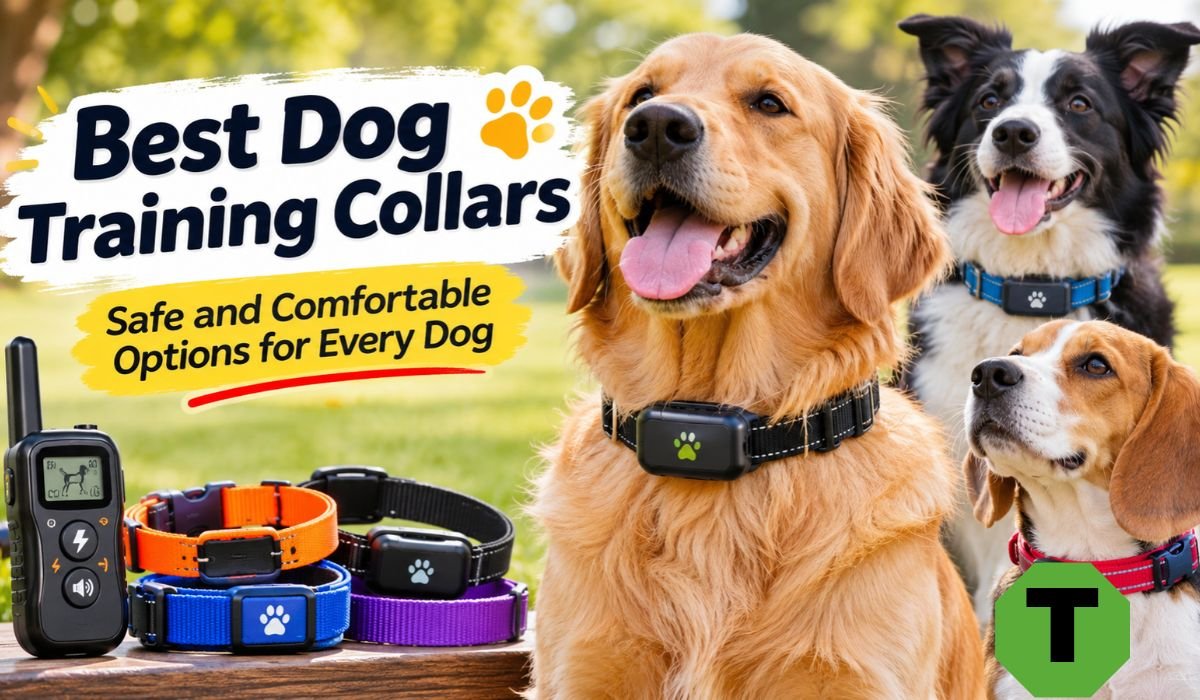
Every dog deserves a comfortable, safe, and enjoyable training experience. Whether you’re teaching a playful puppy to walk on a leash or helping an energetic adult dog develop better habits, choosing the right equipment can make everyday training easier. However, with so many collars and harnesses available, finding the best option isn’t always simple.
The Best Dog Training Collars aren’t necessarily the most expensive or powerful products. They’re the ones that fit properly, support your dog’s natural movement, and help you teach good behavior without unnecessary discomfort. A small Chihuahua, an active Labrador, and a narrow-headed Greyhound may all need different equipment.
In 2026, responsible dog training continues to emphasize positive reinforcement, comfort, and animal welfare. Understanding the different types of training collars, their benefits, and their limitations can help you make a confident decision. This guide explains everything you need to know about choosing safe and comfortable dog training equipment.
What Are Dog Training Collars and How Do They Work?
Dog training collars are tools designed to help owners guide and manage their dogs during walks, obedience lessons, and everyday activities. Unlike ordinary identification collars, certain training designs offer additional control or help prevent dogs from slipping out of their equipment.
Different collars work in different ways. Flat collars provide a simple leash attachment, while martingale collars tighten within a limited range to improve security. Head halters guide a dog’s head, and specialized harnesses distribute pressure across the body instead of concentrating it around the neck.
However, training equipment doesn’t automatically improve behavior. Dogs learn through practice, clear communication, and appropriate rewards. A comfortable collar simply helps create safer conditions for that learning.
Different Types of Dog Training Collars Explained
Understanding collar designs is essential before choosing equipment. A traditional flat collar is suitable for identification and dogs that walk calmly. These collars are commonly made from nylon, leather, or soft fabric and usually feature adjustable buckles.
Martingale collars are particularly useful for dogs with narrow heads, such as Greyhounds and Whippets. Their limited-tightening design can reduce accidental escapes when correctly adjusted. They shouldn’t be used to deliver leash corrections.
Slip collars and choke chains tighten around the neck when tension develops. Prong collars apply concentrated pressure through metal contact points. These aversive tools can cause discomfort and create unnecessary welfare risks.
Electronic training collars may produce sounds, vibrations, or electrical stimulation. Although they’re sometimes marketed as convenient behavior-control devices, their use raises concerns about stress, fear, and unwanted associations. Choosing non-aversive equipment is generally a safer starting point.
Best Dog Training Harnesses for Comfortable Walks
Harnesses are popular alternatives to traditional collars because they distribute leash pressure across a larger area of the body. They’re especially useful for dogs that pull strongly or have sensitive necks.
A front-clip harness attaches the leash near the dog’s chest. When the dog pulls, this attachment can help redirect its movement, making loose-leash training easier. Back-clip harnesses are convenient for everyday walks, although they may provide less control over persistent pulling.
Dual-clip harnesses offer both attachment points, allowing owners to choose according to their dog’s needs. Step-in and padded vest harnesses may suit smaller dogs, while escape-resistant designs can provide additional security for dogs that frequently back out of ordinary equipment.
The best harness should fit securely without restricting shoulder movement, rubbing the skin, or interfering with breathing.
How to Choose the Best Dog Training Collars for Your Dog
Choosing suitable equipment begins with understanding your dog’s individual needs. Size, age, body shape, health, temperament, and walking behavior all influence which collar or harness may work best.
Material quality is important. Nylon is lightweight and generally easy to clean, while leather can be durable when maintained properly. Soft padding may improve comfort, particularly during longer walks. Strong buckles, secure stitching, and reliable leash attachment points are equally important.
Adjustability is another essential feature. Equipment should remain secure without creating pressure around the throat or restricting normal movement. Dogs that swim frequently may benefit from quick-drying materials, while puppies need designs that can accommodate growth.
Rather than choosing equipment based on appearance or popularity, prioritize comfort, safety, and how well it supports your training goals.
Best Dog Training Collars for Puppies and Small Dogs
Puppies need lightweight, adjustable equipment that feels comfortable as they explore their surroundings. A soft flat collar can hold identification tags, while a properly fitted harness may be useful during early leash training.
Small breeds such as Chihuahuas, Yorkshire Terriers, and Pomeranians often benefit from lightweight harnesses that reduce unnecessary pressure on delicate neck structures. Dogs with suspected tracheal problems or breathing difficulties need particular care and veterinary guidance.
Introduce new equipment gradually. Allow your puppy to investigate it, offer treats, and begin with short wearing sessions. Check the fit frequently because growing puppies can quickly outgrow their collars.
The goal is to help young dogs associate their equipment with positive experiences rather than discomfort or restraint.
Best Dog Training Collars for Medium and Large Dogs
Medium and large dogs often need secure equipment with durable attachment points. However, strength alone shouldn’t determine which training collar is appropriate.
Labradors and Golden Retrievers may benefit from front-clip harnesses when learning to walk without pulling. German Shepherds and other powerful breeds need comfortable, correctly sized equipment that provides reliable control without unnecessary neck pressure.
Beagles and other scent-driven dogs can become distracted by interesting smells. Secure harnesses combined with consistent recall practice may help owners manage these situations.
Greyhounds and Whippets have distinctive narrow heads, making properly fitted martingale collars a useful option for escape prevention.
Regardless of breed, training should focus on teaching calm behavior instead of relying on physical force.
Best Dog Training Collars for Common Behavior Problems
Different behavioral challenges require different solutions. Dogs that pull during walks may benefit from front-clip harnesses, but the equipment should be combined with rewards for walking beside their owners.
Excessive barking requires understanding its cause. Some dogs bark because they’re frightened, excited, bored, or reacting to unfamiliar surroundings. Simply suppressing barking doesn’t address the underlying problem.
Reactive dogs that lunge or growl at people or other animals need careful management. Maintaining a comfortable distance from triggers and rewarding calm behavior can help create safer learning opportunities.
Dogs that repeatedly ignore commands may need shorter training sessions, more motivating rewards, or practice in quieter environments. When behavior becomes difficult to manage, professional guidance is more valuable than purchasing increasingly restrictive equipment.
Are Shock Collars Safe for Dogs?
Shock collars, also called electronic training collars, use electrical stimulation to influence behavior. Some models also include vibration and sound settings. Although manufacturers may promote them for barking or recall training, these features don’t guarantee safety or effectiveness.
Electrical stimulation can cause discomfort, stress, or fear. Dogs may also associate unpleasant sensations with nearby animals, people, or environments. Even vibration can be distressing for sensitive dogs.
The American Veterinary Society of Animal Behavior recommends reward-based training instead of aversive methods. Its guidance, reaffirmed in 2025, specifically discourages electronic collars, prong collars, choke chains, and physical corrections.
avsab.org+1
Humane alternatives include rewarding recall, managing distractions, and teaching appropriate behaviors through gradual practice.
Positive Reinforcement for Better Dog Training
Positive reinforcement means rewarding your dog when it performs a behavior you want to encourage. Rewards can include treats, praise, favorite toys, or opportunities to play.
For example, when your dog walks beside you without pulling, offer a small treat immediately. If the leash becomes tight, stop moving and wait for your dog to return to a comfortable position before continuing. This teaches that loose-leash walking helps the walk move forward.
Clicker training can make communication clearer. The click marks the exact moment your dog performs the desired action, followed by a reward.
Short, regular sessions are generally easier to manage than long, demanding lessons. Consistency matters more than intensity, and progress should happen at your dog’s pace.
How to Measure and Fit a Dog Training Collar
Proper fitting is essential for safety and comfort. Begin by measuring your dog’s neck using a flexible measuring tape. Compare the measurement with the manufacturer’s sizing chart because different collar designs may require different fitting methods.
For ordinary flat collars, the two-finger guideline provides a useful starting point. You should generally be able to slide two fingers comfortably beneath the collar without leaving excessive space.
Harnesses require additional checks around the chest, shoulders, and front legs. Your dog should walk naturally without rubbing, restricted movement, or difficulty breathing.
Inspect the skin regularly for redness, hair loss, or irritation. Puppies and dogs experiencing weight changes need frequent adjustments. A collar that fits today may become uncomfortable later.
How to Introduce a New Training Collar
Some dogs accept new collars immediately, while others need time to adjust. Introducing equipment gradually helps prevent unnecessary stress.
Begin by placing the collar or harness near your dog and allowing it to investigate. Reward calm interest with treats or praise. Once your dog appears comfortable, gently put the equipment on for a short period.
Gradually increase wearing time while offering positive experiences. Practice indoors before moving into distracting outdoor environments.
Watch for scratching, freezing, avoidance, or repeated attempts to remove the equipment. These behaviors may indicate discomfort or uncertainty. If your dog remains distressed, stop and reassess the fit or seek professional advice.
Common Dog Training Collar Mistakes to Avoid
One common mistake is choosing a collar based only on appearance or price. Attractive equipment isn’t necessarily comfortable, durable, or appropriate for every dog.
Another mistake is expecting immediate behavioral improvements. A new harness may make pulling easier to manage, but it doesn’t automatically teach good leash manners.
Forceful leash corrections can cause discomfort and increase fear. Similarly, ignoring scratching, unusual movement, or skin irritation may allow minor problems to become more serious.
Owners should also avoid leaving specialized equipment on unsupervised dogs. Collars and harnesses can become caught on furniture, fences, or other objects.
Regular inspections and patient training help prevent many of these problems.
How to Clean and Maintain Dog Training Collars
Clean equipment is more comfortable and less likely to cause dirt-related skin irritation. Nylon collars and fabric harnesses can often be washed using mild soap and water, although manufacturer instructions should always come first.
Leather collars may require specialized cleaning products and occasional conditioning to prevent drying or cracking.
After washing, allow the equipment to dry completely before use. Moisture trapped beneath a collar can contribute to skin problems.
Check buckles, stitching, metal rings, and adjustment straps before walks. Replace damaged equipment rather than risking unexpected failure.
Good maintenance helps preserve comfort, reliability, and long-term value.
When to Consult a Professional Dog Trainer or Veterinarian
Some behavioral challenges require more than suitable equipment and home practice. Persistent aggression, severe anxiety, intense reactivity, or sudden changes in behavior deserve professional attention.
A qualified reward-based trainer can help develop practical plans for leash walking, recall, and everyday obedience. More complicated behavioral concerns may require a veterinarian or board-certified veterinary behaviorist.
Medical conditions can also influence behavior. Pain, illness, and physical discomfort may cause dogs to resist handling or react unusually during walks.
Professional guidance is particularly important when a dog poses a safety risk to itself, other animals, or people. Early support can make training safer and more effective.
Quick Bio: Important Facts About Dog Training Collars
| Information | Details |
|---|---|
| Main Purpose | Supporting safe handling and training |
| Best Starting Approach | Comfortable, non-aversive equipment |
| Everyday Collar | Adjustable flat collar |
| Pulling Support | Front-clip harness |
| Small Dog Option | Lightweight, padded harness |
| Large Dog Option | Secure, adjustable harness |
| Puppy Equipment | Soft, lightweight designs |
| Narrow-Headed Dogs | Properly fitted martingale collar |
| Head Halter Purpose | Additional steering control |
| Harness Advantage | Reduces concentrated neck pressure |
| Important Safety Feature | Correct fitting |
| Recommended Training Method | Positive reinforcement |
| Common Training Rewards | Treats, toys, and praise |
| Equipment Materials | Nylon, leather, and padded fabric |
| Collar Fit Check | Manufacturer guidance and comfort |
| Maintenance | Regular cleaning and inspections |
| Equipment to Avoid | Aversive collars and forceful corrections |
| Professional Support | Reward-based trainers and veterinary behaviorists |
Final Thoughts: Choosing Safe and Comfortable Dog Training Equipment
Finding the Best Dog Training Collars begins with understanding your dog’s needs rather than searching for a universal solution. A comfortable flat collar may suit a calm walker, while a front-clip harness may help manage pulling. Narrow-headed dogs may benefit from correctly fitted martingale collars.
However, even excellent equipment cannot replace thoughtful training. Positive reinforcement, patience, and consistent practice help dogs understand expectations while supporting their emotional well-being.
Choose equipment that allows comfortable movement, inspect it regularly, and seek professional guidance when necessary. With suitable tools and a compassionate approach, training can become a rewarding experience that strengthens the relationship between you and your dog.
FAQs About Best Dog Training Collars
What Is the Safest Dog Training Collar?
A properly fitted flat collar or suitable martingale collar may be appropriate depending on the dog’s needs. For dogs that pull, a comfortable harness is often preferable because it reduces concentrated pressure on the neck.
Are Harnesses Better Than Collars for Dogs That Pull?
Front-clip harnesses can help manage pulling by redirecting movement. However, they don’t automatically teach loose-leash walking. Reward-based training remains essential.
RSPCA Knowledgebase+1
What Is the Best Training Collar for Puppies?
Puppies generally benefit from lightweight, adjustable flat collars for identification and comfortable harnesses for walking. Equipment should be introduced gradually and checked frequently as puppies grow.
Can Dog Training Collars Stop Excessive Barking?
A collar alone cannot reliably address the underlying reasons for barking. Understanding whether the behavior comes from fear, excitement, boredom, or another trigger is more helpful than suppressing the sound.
Are Shock Collars Recommended by Veterinarians?
Major veterinary behavior organizations, including AVSAB, recommend reward-based training and discourage shock collars because of their potential welfare risks.
avsab.org+1
What Is the Best Dog Training Collar for Large Dogs?
Large dogs often benefit from secure, adjustable harnesses with durable attachment points. The best choice depends on the dog’s body shape, walking habits, comfort, and individual training needs.
Can Dogs Wear Training Collars All Day?
Not all training equipment is suitable for continuous wear. Specialized collars and harnesses may cause rubbing or become caught on objects. Follow manufacturer instructions, supervise your dog, and remove equipment when appropriate.
How Long Does It Take to Train a Dog to Stop Pulling?
Training time varies according to age, temperament, previous experiences, and consistency. Some dogs improve within weeks, while others need several months. Short sessions, appropriate rewards, and gradual practice can support lasting progress.
Learn more and explore exciting content on: Best Dog Toys for Chewers: Durable and Safe Picks for Every Dog
[…] Learn more and explore exciting content on: Best Dog Training Collars: Safe and Comfortable Options for Every Dog […]