
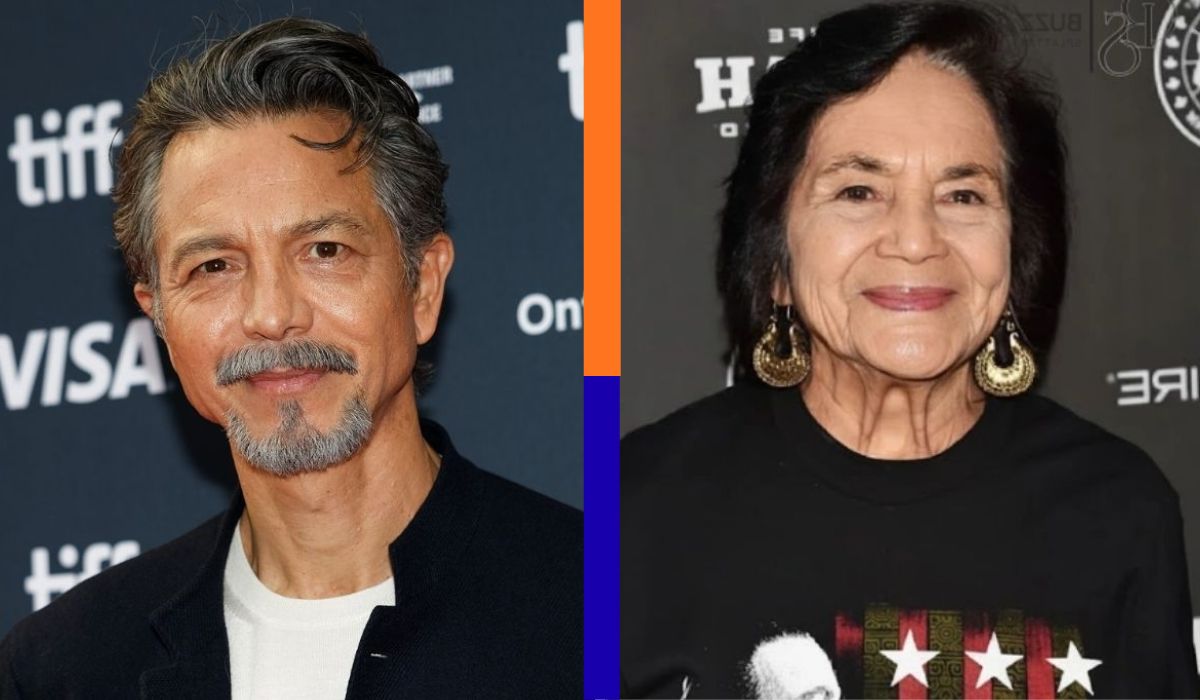
Eldy Banda is best known as the mother of acclaimed actor Benjamin Bratt, but her story reaches far beyond her connection to Hollywood. She was a dedicated nurse, a proud woman of Quechua heritage, a passionate advocate for Indigenous rights, and a loving mother who shaped the values of her children through her actions and beliefs. While many people discover Eldy Banda through their interest in Benjamin Bratt, they often come away inspired by her own remarkable life.
Her journey from Peru to the United States reflects determination, resilience, and cultural pride. Throughout her life, she remained committed to helping others, preserving her heritage, and advocating for social justice. In many ways, Eldy Banda represents the strength of individuals who quietly make a lasting difference in their families and communities.
Quick Bio Information
| Information | Details |
|---|---|
| Full Name | Eldy Banda |
| Known For | Mother Of Benjamin Bratt |
| Birthplace | Lima, Peru |
| Heritage | Quechua Indigenous Heritage |
| Nationality | Peruvian-American |
| Profession | Nurse |
| Ethnicity | Indigenous Quechua |
| Gender | Female |
| Religion | Not Publicly Known |
| Marital Status | Married |
| Husband | Peter Bratt Sr. |
| Children | Five Children |
| Famous Son | Benjamin Bratt |
| Activism | Indigenous And Native Rights Advocacy |
| Languages | English And Spanish |
| Residence | United States |
| Community Work | Social And Cultural Advocacy |
| Cultural Identity | Proud Quechua Woman |
| Legacy | Family, Activism, And Cultural Preservation |
| Recognition | Influence On Benjamin Bratt And Indigenous Awareness |
Who Was Eldy Banda?
Eldy Banda was a Peruvian-born nurse and activist whose life was deeply influenced by her Indigenous roots. Although she did not seek fame, her impact can still be seen through the values she passed on to her family and the causes she supported. Her story combines themes of immigration, cultural identity, family dedication, and community service.
For many readers, Eldy Banda stands as an example of how ordinary individuals can create extraordinary influence. Her commitment to helping others and her determination to preserve her heritage left a lasting mark on everyone around her.
Early Life And Childhood In Peru
Born and raised in Lima, Peru, Eldy Banda grew up connected to the traditions and values of her Quechua ancestry. Peru is home to one of the largest Indigenous populations in South America, and Indigenous culture remains an important part of the nation’s identity.
Her early experiences helped shape her understanding of community, family, and cultural pride. These lessons remained with her throughout her life and later became values she passed on to her children. Although detailed public information about her childhood is limited, it is clear that her Indigenous heritage played a central role in her personal identity.
Her Quechua Heritage And Cultural Roots
One of the most important aspects of Eldy Banda’s life was her connection to the Quechua people. The Quechua are among the most significant Indigenous groups in South America and are descendants of populations associated with the ancient Inca Civilization.
Eldy never abandoned her cultural roots after moving to the United States. Instead, she embraced them and taught her children to appreciate their ancestry. At a time when many immigrant families faced pressure to assimilate, she demonstrated the importance of honoring one’s history while building a future in a new country.
Her dedication to cultural preservation became one of her most meaningful contributions and remains a central part of her legacy today.
Moving To The United States And Building A New Life
As a teenager, Eldy Banda immigrated to the United States. Like many immigrants, she faced the challenge of adapting to a new culture while maintaining a connection to her heritage. The transition likely required tremendous courage, determination, and resilience.
Building a life in a new country is never easy. Language differences, cultural adjustments, and economic challenges often create obstacles. Yet Eldy persevered and worked hard to create opportunities for herself and her future family.
Her immigrant experience also helped shape her understanding of social justice and equality, values that later became important parts of her activism.
Education And Nursing Career
Eldy Banda pursued a career in nursing, a profession that reflected her compassionate nature and desire to help others. Nursing requires patience, empathy, and dedication, qualities that those who knew her often associated with her character.
Throughout her career, she cared for patients during vulnerable moments in their lives. Her work demonstrated her belief in service and human dignity. Nursing also provided stability for her family and allowed her to contribute positively to her community.
Beyond her professional responsibilities, her healthcare background reinforced her commitment to helping people and addressing social issues that affected marginalized communities.
Marriage, Family Life, And Raising Five Children
Family was at the center of Eldy Banda’s life. She married Peter Bratt Sr., a sheet metal worker, and together they raised five children. Their home was built on strong values that emphasized education, respect, cultural awareness, and community responsibility.
Balancing work, family, and activism was not easy, yet Eldy managed to create a nurturing environment for her children. She encouraged them to pursue their dreams while remaining connected to their heritage and responsibilities toward others.
The close bond within the Bratt family reflects the values she helped establish and maintain throughout her life.
The Strong Influence She Had On Her Children
Eldy Banda believed that children learn through example. Rather than simply talking about fairness, equality, and cultural pride, she demonstrated these values through her daily actions.
Her children grew up watching her advocate for Indigenous rights and participate in community causes. They witnessed her dedication to helping others and preserving cultural traditions. These experiences shaped their understanding of the world and encouraged them to become socially aware adults.
Her influence extended beyond parenting and became a lifelong source of inspiration for her family.
Eldy Banda And Indigenous Rights Activism
Activism played an important role in Eldy Banda’s life. She strongly supported Indigenous rights and worked to raise awareness about issues affecting Native communities in the United States.
Her advocacy reflected her belief that Indigenous voices deserved recognition, respect, and equal opportunities. She understood the challenges faced by Indigenous peoples and felt a responsibility to support movements that sought justice and representation.
Unlike many activists who receive public attention, Eldy’s work was often carried out quietly and consistently, driven by genuine commitment rather than recognition.
The Historical Significance Of The Alcatraz Occupation
One of the most frequently discussed aspects of Eldy Banda’s activism is her connection to the Native American Occupation Of Alcatraz. This historic protest began in 1969 when Indigenous activists occupied Alcatraz Island to draw attention to Indigenous rights and federal policies.
Eldy brought her young son Benjamin Bratt to the occupation. Although he was only a child at the time, the experience left a lasting impression on him. It exposed him to activism, cultural pride, and the importance of standing up for marginalized communities.
The Occupation Of Alcatraz later became one of the most influential events in modern Indigenous rights history, and Eldy’s involvement demonstrates her commitment to meaningful social change.
How Eldy Banda Influenced Benjamin Bratt
Benjamin Bratt has frequently spoken about the influence his mother had on his life and career. Her values shaped his worldview and encouraged him to use his platform responsibly.
As an actor, Benjamin has often shown interest in projects that explore cultural identity, social justice, and underrepresented communities. Many observers believe that his commitment to these themes reflects the lessons he learned from his mother.
Eldy Banda helped him understand the importance of embracing his heritage and using success as a way to support meaningful causes.
Preserving Cultural Identity Across Generations
One of Eldy Banda’s greatest achievements was ensuring that her children remained connected to their cultural heritage. She understood that traditions, stories, and values can easily be lost over time, especially within immigrant families.
By sharing her experiences and teaching her children about their Indigenous roots, she helped preserve an important part of their identity. This effort contributed to a stronger sense of belonging and cultural awareness within the family.
Today, her example continues to inspire discussions about cultural preservation and representation in modern society.
Challenges And Personal Strength
Like many women of her generation, Eldy Banda faced numerous challenges. As an immigrant, a working professional, a mother, and an activist, she had to balance many responsibilities simultaneously.
She likely encountered social barriers, cultural misunderstandings, and the pressures that come with supporting a growing family. Yet her life demonstrates resilience and determination. Instead of allowing challenges to define her, she transformed them into opportunities to grow and serve others.
Her ability to navigate these difficulties remains one of the most inspiring aspects of her story.
Eldy Banda’s Lasting Legacy
The legacy of Eldy Banda extends far beyond her family connections. She left behind a powerful example of service, cultural pride, and community engagement. Through her nursing career, she helped individuals in need. Through her activism, she supported important social causes. Through her family, she passed on values that continue to influence future generations.
Her story reminds us that lasting impact is not always measured by fame or public recognition. Sometimes the most meaningful contributions come from individuals who quietly dedicate their lives to helping others and preserving what matters most.
Why Her Story Still Matters In 2026
In today’s world, conversations about cultural identity, diversity, inclusion, and social justice remain highly relevant. Eldy Banda’s life offers valuable lessons about embracing heritage while building connections across cultures.
Her experiences as an immigrant, Indigenous woman, healthcare professional, and activist continue to resonate with modern audiences. She represents the power of staying true to one’s values while contributing positively to society.
As more people seek stories of resilience and authenticity, Eldy Banda’s life serves as an inspiring reminder that individual actions can create lasting change.
Final Thoughts
Eldy Banda may be widely recognized as Benjamin Bratt’s mother, but her legacy stands firmly on its own. She was a dedicated nurse, a proud Quechua woman, a passionate advocate for Indigenous rights, and a devoted parent who shaped the lives of her children through example.
Her journey from Peru to the United States reflects courage, perseverance, and commitment to family and community. Through her activism, cultural preservation efforts, and lifelong dedication to helping others, she created an influence that continues to be felt today.
Remembering Eldy Banda means celebrating a life built on compassion, cultural pride, and service. Her story remains a powerful example of how one person’s values and actions can inspire generations and leave a meaningful legacy that endures long after they are gone.
FAQs About Eldy Banda
Who Is Eldy Banda?
Eldy Banda was a Peruvian-born nurse, Indigenous rights advocate, and the mother of actor Benjamin Bratt. She was known for her commitment to family, cultural preservation, and social activism.
What Is Eldy Banda Known For?
She is best known for her work as a nurse, her advocacy for Indigenous rights, her Quechua heritage, and her influence on Benjamin Bratt’s personal and professional life.
What Is Eldy Banda’s Heritage?
Eldy Banda was of Quechua Indigenous heritage. The Quechua people are one of the largest Indigenous groups in South America and have deep historical connections to the Inca Civilization.
Who Is Eldy Banda’s Husband?
Eldy Banda was married to Peter Bratt Sr., a sheet metal worker. Together they raised five children and built a family centered on strong cultural and social values.
How Did Eldy Banda Influence Benjamin Bratt?
She introduced him to activism, encouraged pride in his cultural identity, and taught him the importance of social responsibility. These lessons influenced both his worldview and career.
Was Eldy Banda Involved In Indigenous Activism?
Yes. Eldy Banda actively supported Indigenous rights and participated in advocacy efforts, including involvement connected to the historic Occupation Of Alcatraz movement.
Why Is Eldy Banda Important Today?
Her life continues to inspire people through her dedication to healthcare, family, cultural preservation, and social justice. Her story remains relevant in discussions about identity, diversity, and community leadership.
What Is Eldy Banda’s Legacy?
Her legacy includes her contributions as a nurse, her support for Indigenous communities, her preservation of Quechua culture, and the values she passed on to future generations through her family.
Recommended For You: Genevieve Mecher: Everything To Know About Jen Psaki’s Daughter