
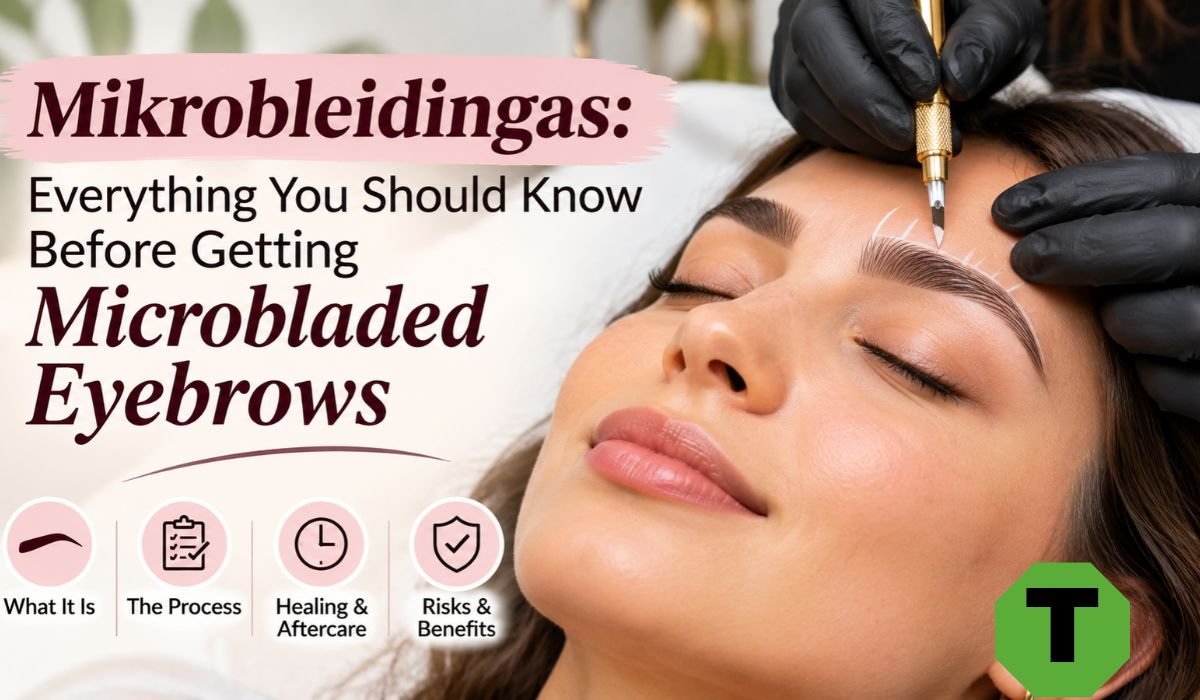
Beautiful, well-defined eyebrows can make a noticeable difference to your overall appearance. However, filling in thin or uneven eyebrows every morning can become frustrating. This is where Mikrobleidingas offers an alternative to traditional eyebrow makeup.
Known internationally as Microblading, this cosmetic treatment creates fine, hair-like strokes that give eyebrows a fuller and more defined appearance. It can be particularly appealing to people who want to simplify their daily beauty routine.
However, Microblading involves more than choosing an attractive eyebrow shape. Understanding the procedure, healing process, potential risks, maintenance requirements, and professional safety standards is essential. This comprehensive 2026 guide explains everything you should know before getting Microbladed Eyebrows, helping you make a confident and informed decision.
Quick Bio Information About Mikrobleidingas
| Key Information | Details |
|---|---|
| Treatment Name | Mikrobleidingas |
| English Name | Microblading |
| Language | Lithuanian |
| Treatment Type | Cosmetic Tattooing |
| Primary Purpose | Eyebrow Enhancement |
| Alternative Name | Eyebrow Micropigmentation |
| Application Method | Manual Pigment Application |
| Equipment | Handheld Tool With Fine Needles |
| Treatment Area | Eyebrows |
| Desired Appearance | Natural-Looking Hair Strokes |
| Treatment Duration | Often Around 2–3 Hours |
| Healing Period | Approximately 4–6 Weeks |
| Result Longevity | Often 1–3 Years, With Variation |
| Maintenance | Optional Professional Touch-Ups |
| Discomfort Level | Varies Between Individuals |
| Main Benefits | Fuller and More Defined Eyebrows |
| Potential Risks | Infection, Allergic Reactions and Scarring |
| Alternative Treatments | Powder Brows and Combination Brows |
| Natural Hair Growth | Does Not Stimulate Hair Growth |
| Pigment Removal | Possible but Not Always Complete |
The duration, healing period, and longevity figures are general estimates rather than guaranteed outcomes.
What Is Mikrobleidingas?
Mikrobleidingas is the Lithuanian term for Microblading, a specialized beauty procedure designed to enhance the appearance of eyebrows. A trained practitioner introduces colored pigment into the skin to create markings resembling individual eyebrow hairs. Unlike eyebrow pencils, gels, and powders, the pigment remains beneath the skin’s surface, providing longer-lasting cosmetic results. The technique is commonly described as Semi-Permanent Makeup, although it belongs to the broader category of Cosmetic Tattooing. People with sparse, uneven, or naturally light eyebrows may find it particularly appealing. However, Microblading does not repair damaged hair follicles, encourage new hair growth, or treat medical conditions responsible for eyebrow thinning. Its purpose is entirely cosmetic.
How Does Mikrobleidingas Work?
A professional Microblading appointment usually begins with a consultation. The practitioner examines your natural eyebrows, discusses your preferred appearance, reviews relevant medical information, and assesses your skin. Eyebrow Mapping is then used to plan the shape, thickness, and position of the brows. A suitable pigment is selected based on your natural hair color and skin tone. During treatment, a handheld instrument containing fine needles creates small openings in the skin where pigment is deposited. These markings imitate individual eyebrow hairs. Once the procedure is completed, the practitioner provides aftercare instructions and may arrange a follow-up appointment to evaluate the healed results.
The Science Behind Microblading
Understanding how Microblading interacts with the skin explains why its results last longer than ordinary makeup. The skin consists of several layers, including the Epidermis and the underlying Dermis. Traditional cosmetics remain on the surface, while Microblading introduces pigment into the superficial Dermis. Over time, biological processes and environmental factors influence the appearance of this pigment. Sun exposure, pigment composition, skin characteristics, and the body’s response can contribute to fading or color changes. Dermatological research also highlights that pigment retention varies considerably between individuals. This explains why two people receiving similar treatments may experience different healing patterns and long-term results.
PubMed Central (PMC)+2
Benefits of Mikrobleidingas
The main benefit of Mikrobleidingas is its ability to create the appearance of fuller, more defined eyebrows without daily application of eyebrow makeup. Carefully positioned strokes can fill visible gaps and improve the appearance of uneven brows. Many people appreciate the convenience of waking up with more defined eyebrows, particularly those with busy lifestyles. Another advantage is customization, as practitioners can adapt the eyebrow design to individual facial features. However, natural-looking results depend on professional expertise, suitable skin characteristics, and proper healing. Microblading should be viewed as a cosmetic enhancement rather than a guaranteed solution for every eyebrow concern.
Who Is a Suitable Candidate?
Mikrobleidingas may be suitable for adults with naturally thin eyebrows, uneven brow shapes, or limited eyebrow definition. People who spend considerable time applying eyebrow makeup may also appreciate its convenience. Individuals experiencing eyebrow hair loss may consider cosmetic pigmentation after receiving appropriate medical advice. However, people with active skin infections, inflammatory skin conditions around the eyebrows, healing difficulties, or a history of Keloid Scarring should consult a healthcare professional before treatment. Pregnancy, certain medications, and other medical circumstances may also require postponement or individual assessment. A responsible practitioner should evaluate suitability rather than offering the same treatment to everyone.
Microblading vs Traditional Eyebrow Tattooing
Although Microblading and Traditional Eyebrow Tattooing both involve placing pigment beneath the skin, their application methods and cosmetic effects can differ. Traditional techniques often produce a more continuous colored appearance, while Microblading focuses on creating individual hair-like markings.
| Feature | Microblading | Traditional Eyebrow Tattooing |
|---|---|---|
| Application | Manual Technique | Often Machine-Assisted |
| Appearance | Fine Hair-Like Strokes | More Continuous Color |
| Pigment Retention | Gradual Fading | Potentially Longer Lasting |
| Maintenance | Possible Touch-Ups | Varies by Technique |
| Cosmetic Finish | Hair-Like Definition | Often More Defined Shading |
| Health Risks | Present | Present |
Modern Cosmetic Tattooing includes several overlapping techniques. Neither treatment is completely risk-free, and both require professional hygiene and appropriate aftercare.
Microblading vs Powder Brows
Microblading, Powder Brows, and Combination Brows offer different cosmetic effects. Microblading concentrates on fine markings resembling natural hairs, making it appealing to people who prefer subtle definition. Powder Brows generally produce a shaded appearance similar to softly applied eyebrow makeup. Combination Brows bring together hair-like strokes and shading to create additional definition. Choosing between these techniques depends on your existing eyebrow hair, skin characteristics, preferred appearance, and maintenance expectations. People with oily skin may wish to discuss alternative techniques because fine Microblading strokes may not retain their original definition equally well on every skin type. Reviewing fully healed examples can make this decision easier.
Preparing for Your First Appointment
Good preparation begins with researching the practitioner rather than simply choosing the nearest or cheapest beauty salon. Arrange a consultation to discuss your expectations, medical history, allergies, medications, and previous Cosmetic Treatments. Bring reference photographs if you have a particular eyebrow shape in mind, but remain open to professional recommendations. Avoid arriving with irritated or sunburned skin, and follow the practitioner’s preparation instructions. Never stop prescribed medication without consulting your healthcare provider. Understanding the complete procedure, possible complications, and expected healing process before providing consent helps prevent unnecessary surprises.
Is Mikrobleidingas Painful?
The level of discomfort experienced during Mikrobleidingas differs from person to person. Some individuals describe the sensation as light scratching, while others experience greater sensitivity. Practitioners may use suitable Topical Anesthetic Products to reduce discomfort, although these cannot guarantee a completely painless experience. Temporary tenderness and mild redness may occur afterward. If pain becomes increasingly severe during recovery, it should not automatically be considered a normal part of healing. Discussing pain management, skin sensitivity, and any previous reactions before treatment can help you feel more comfortable and prepared for the appointment.
Microblading Healing Process and Aftercare
Newly Microbladed Eyebrows often appear darker and more noticeable than the eventual healed result. During the following days, mild sensitivity, superficial flaking, and changes in pigment appearance may occur. As healing progresses, the eyebrows may temporarily appear lighter or uneven. Follow the written Microblading Aftercare instructions provided by your practitioner, avoid picking at healing skin, and keep unnecessary cosmetics away from the treated area until it has recovered. Once healing is complete, a professional can assess whether additional pigmentation is appropriate. Increasing pain, spreading redness, discharge, significant swelling, or fever requires prompt medical assessment. Eye swelling accompanied by vision changes requires urgent attention.
Cleveland Clinic+2
How Long Does Mikrobleidingas Last?
Microblading results commonly remain noticeable for a year or longer, although some pigmentation may persist for several years. Skin characteristics, sun exposure, pigment formulation, treatment technique, and subsequent appointments can influence longevity. Touch-ups may help maintain definition, but repeated procedures should be considered carefully because they involve additional skin injury. There is no guaranteed expiration date for Semi-Permanent Eyebrows. Some people experience substantial fading, while others retain visible traces of pigment much longer than expected. Understanding this possibility is important before committing to a particular eyebrow shape or color.
Risks and Side Effects of Microblading
Despite its cosmetic appeal, Mikrobleidingas carries genuine health risks. The FDA identifies infections, allergic reactions, unwanted pigment changes, and scar formation among the possible complications of Cosmetic Tattooing. Contaminated instruments or inks can introduce harmful microorganisms into the skin. Inadequate infection-control practices may also create opportunities for bloodborne disease transmission. Some individuals develop persistent inflammatory reactions or raised tissue around deposited pigment. Importantly, even an initially successful treatment can produce delayed reactions. Choosing a qualified practitioner reduces preventable risks but cannot eliminate every possible complication.
FDA+2
Hygiene Standards and Professional Safety
Professional Microblading requires appropriate hand hygiene, protective gloves, sterile single-use needles, responsible pigment handling, clean treatment surfaces, and safe disposal of contaminated equipment. In Lithuania, permanent makeup businesses require an appropriate Permit-Hygiene Passport. In England, local registration requirements commonly apply to practitioners offering semi-permanent skin coloring. European Union restrictions also control certain potentially hazardous chemicals found in Tattoo Inks and Permanent Makeup products. As of 2026, consumers should continue checking applicable local regulations rather than assuming that every beauty business follows identical standards. A responsible practitioner should willingly explain their safety procedures and pigment products.
nvsc.lrv.lt+2
Choosing a Qualified Microblading Artist
Selecting an experienced Microblading Artist is one of the most important decisions in the entire process. Look beyond attractive social media photographs and examine examples of fully healed eyebrows. Freshly treated brows may appear sharper than their long-term results. Ask about professional training, relevant permits, infection-control procedures, pigment selection, and follow-up arrangements. A trustworthy practitioner should explain treatment limitations and provide realistic expectations. Be cautious of businesses promising flawless results, completely painless procedures, or guaranteed permanent fading. Professional communication, transparency, and responsible client assessment are often more valuable than impressive advertising.
Microblading Cost and Pigment Removal
The cost of Mikrobleidingas depends on location, practitioner experience, treatment complexity, and whether follow-up appointments are included. Ask for the complete treatment price before making a booking, as additional maintenance can increase long-term expenses. There is no universal Microblading Cost for 2026. If you become unhappy with your eyebrows, professional correction or Laser Tattoo Removal may be considered following an appropriate assessment. However, certain cosmetic pigments can react unpredictably to laser treatment, and complete removal is not always possible. Pigment removal also differs from scar treatment. Avoid attempting to remove Cosmetic Tattoos at home using acids, abrasive products, or unapproved removal creams.
Final Thoughts
Mikrobleidingas can be an appealing option for people who want fuller, more defined eyebrows and a simpler beauty routine. Its ability to imitate natural eyebrow hairs makes it an interesting alternative to conventional makeup and other eyebrow enhancement techniques.
However, the best decision involves balancing cosmetic benefits against health considerations, financial costs, and long-term maintenance. Understanding the procedure, choosing a qualified practitioner, and following appropriate aftercare are essential.
Rather than following beauty trends alone, consider whether Microblading genuinely suits your skin, lifestyle, and personal expectations. A well-informed decision is the strongest foundation for a satisfying cosmetic experience.
FAQs About Mikrobleidingas
What Does Mikrobleidingas Mean?
Mikrobleidingas is the Lithuanian term for Microblading, a Cosmetic Tattooing technique that creates the appearance of natural eyebrow hairs using pigment deposited beneath the skin.
How Long Does Microblading Last?
Results may remain visible for one to three years or longer. Longevity depends on individual skin characteristics, pigment quality, environmental exposure, and treatment technique. Complete fading is not guaranteed.
Is Mikrobleidingas Safe?
Microblading carries potential risks, including infection, allergic reactions, pigmentation changes, and scarring. Professional hygiene and appropriate medical assessment can help reduce preventable complications.
Does Microblading Increase Eyebrow Hair Growth?
No. Microblading creates the visual impression of additional eyebrow hairs through pigmentation. It does not stimulate hair follicles or treat the underlying causes of eyebrow hair loss.
How Long Do Microbladed Eyebrows Take to Heal?
Healing commonly takes several weeks, with many practitioners assessing results around four to six weeks after treatment. Recovery varies depending on individual skin characteristics and whether complications occur.
Is Microblading Better Than Powder Brows?
Neither technique is universally better. Microblading produces individual hair-like markings, while Powder Brows create a shaded effect. The most suitable option depends on your skin, natural eyebrows, and preferred appearance.
Can Microblading Be Removed Completely?
Professional removal may reduce unwanted pigmentation, but complete removal cannot be guaranteed. Results depend on pigment composition, placement, previous treatments, and individual skin response.
Learn more and explore exciting content on: Oterloo: Uncovering Its Fascinating History, Origins and Cultural Significance